Choosing the Right Hotel Furniture: Durability Meets Design
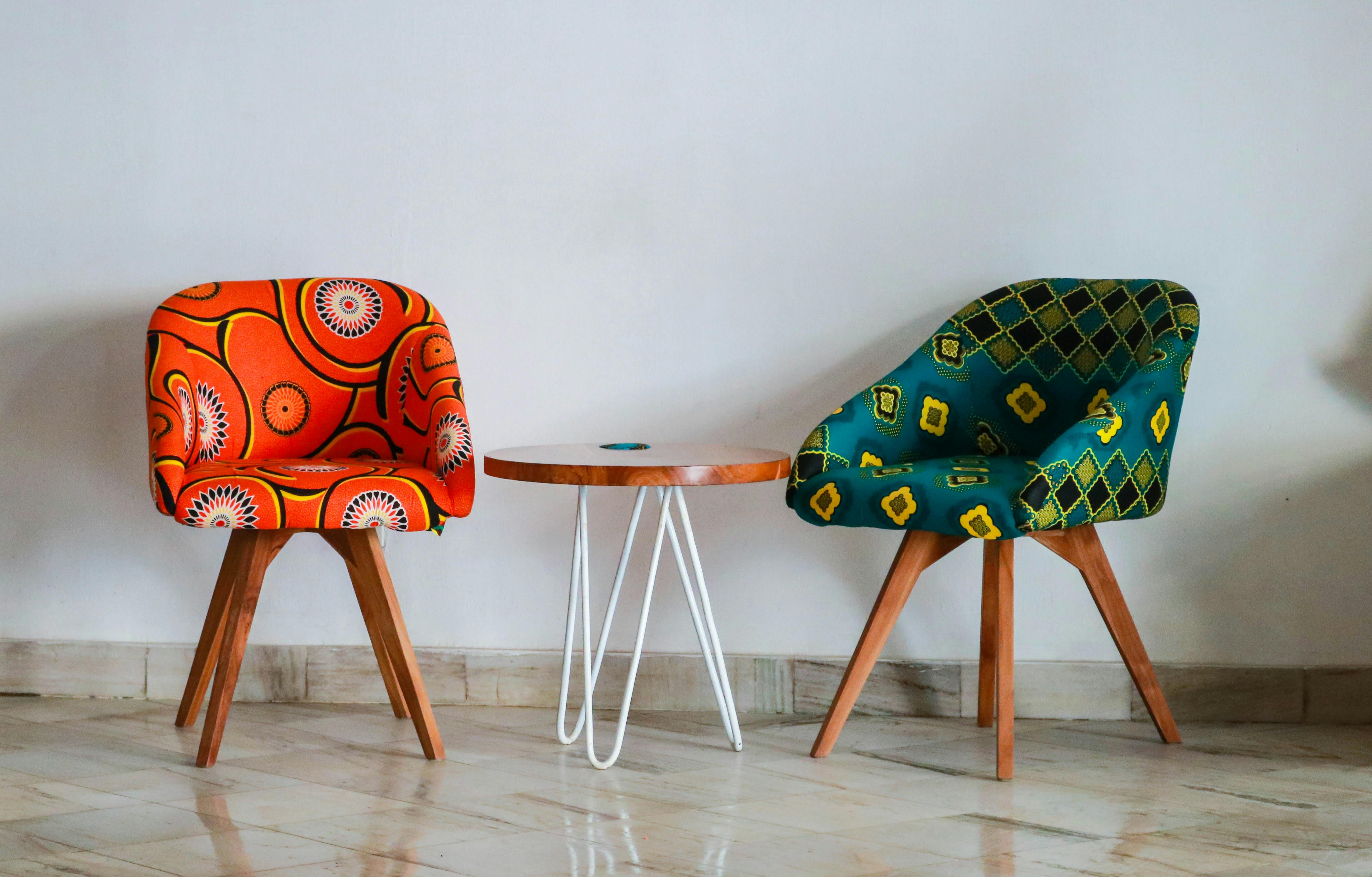
Hotel furniture must satisfy competing demands: attractive design, guest comfort, durability under heavy use, and reasonable cost. Making informed choices requires understanding materials, construction quality, and how furniture selection impacts overall guest experience and operational efficiency.
Bedroom furniture starts with the bed frame and headboard. Solid wood construction provides unmatched durability and timeless appeal, though quality engineered wood products offer excellent alternatives at lower price points. Headboards should be securely wall-mounted rather than bed-mounted to prevent loosening from regular use. Padded or upholstered headboards add comfort for guests who read or watch television in bed, though they require more maintenance than hard surfaces.
Seating options significantly affect room functionality. A comfortable chair with good back support serves guests working on laptops, reading, or simply relaxing. Look for commercial-grade cushions that maintain their shape and firmness through years of use. Ottomans or small benches provide extra seating or surface area while maximizing space efficiency in smaller rooms.
Tables and desks balance form and function. Desk surfaces should provide adequate workspace for laptops and papers while incorporating convenient electrical outlets and USB ports. Nightstands need sufficient surface area for reading materials, glasses, phones, and beverages, plus drawer space for guest belongings. Durability matters especially for tables, as they endure continuous use and occasional spills.
Construction quality determines longevity more than aesthetics. Examine joints carefully—dovetail joints in drawers indicate quality construction, while stapled corners suggest budget manufacturing likely to fail quickly. Test drawer glides, ensuring they open smoothly and fully. Furniture should feel substantial and stable, not wobbly or lightweight.
Material selection impacts both appearance and maintenance. Laminates resist scratches and stains better than wood veneers, making them practical for high-traffic properties. However, quality wood furniture conveys luxury and can be refinished when needed, potentially lasting decades. Upholstered pieces should feature commercial-grade fabrics rated for heavy use, with stain-resistant treatments that simplify cleaning.
Safety considerations include rounded corners rather than sharp edges, stable bases that resist tipping, and flame-retardant materials where required by code. Ensure furniture meets all applicable safety regulations and consider additional safety features for properties that accommodate families with young children.
Maintenance requirements vary dramatically by material and finish. Dark finishes show dust more readily than lighter tones, while glass surfaces require frequent cleaning to maintain appearance. Consider your housekeeping team's capacity when selecting furniture that requires special care or frequent polishing.
Flexibility adds value, especially in properties that regularly reconfigure spaces. Modular furniture, lightweight pieces that move easily, and multi-functional items allow rooms to adapt to different guest needs or special events. This versatility extends the useful life of furniture investments.
Need Quality Hotel Supplies?
Contact us for expert advice and premium hospitality products
Get in Touch