Hotel Linen Quality: Understanding Thread Counts and Materials
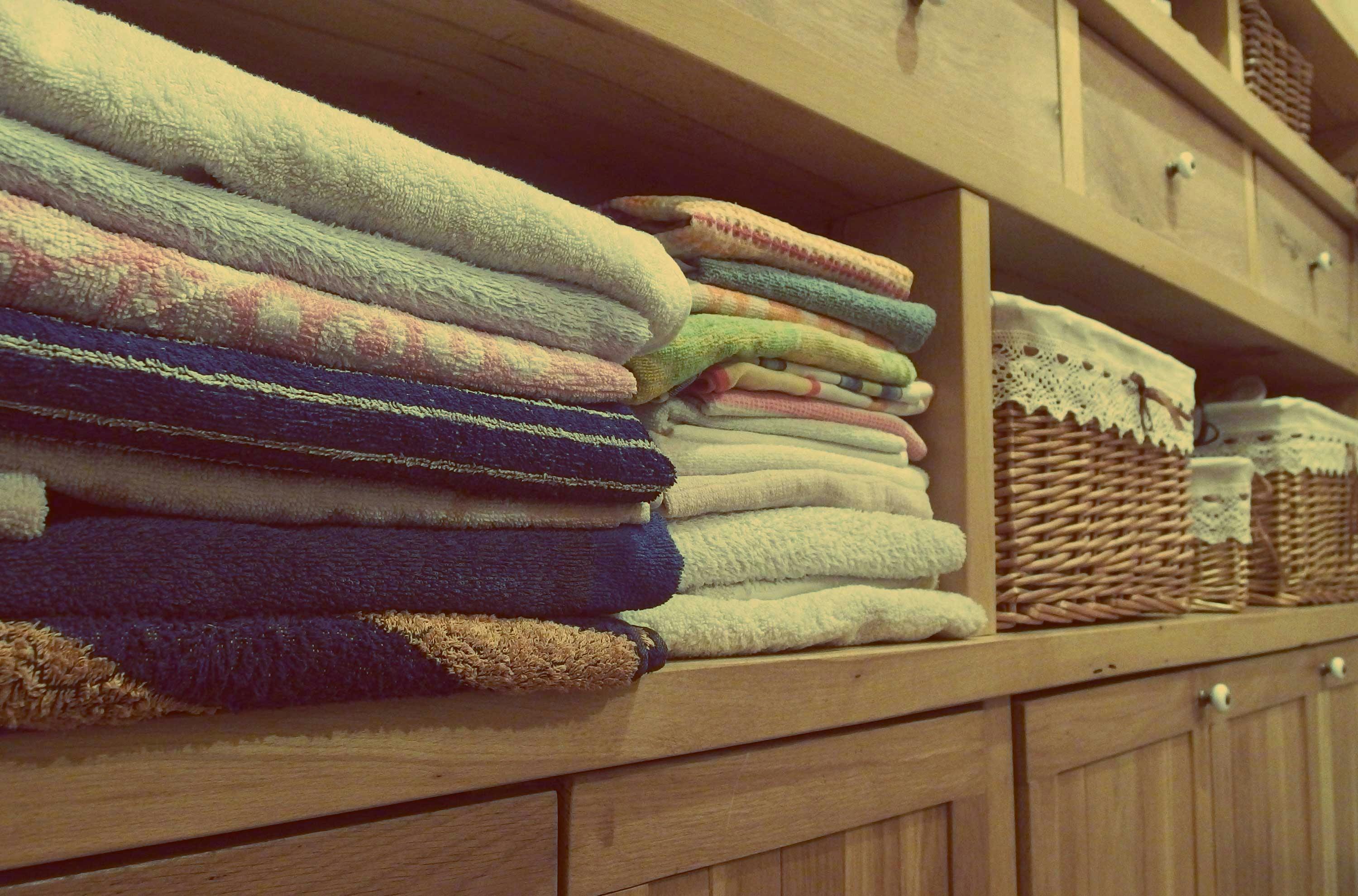
Bed linens significantly influence guest comfort and perception of quality, yet understanding what makes linens truly superior requires knowledge beyond marketing claims. Thread count, fiber types, and weave patterns all affect feel, durability, and value. Informed selection ensures guests enjoy luxurious comfort while your property receives excellent return on investment.
Thread count measures threads per square inch of fabric, including both vertical and horizontal threads. Marketing emphasizes high thread counts, sometimes reaching 1000 or more, but these numbers can mislead. Extremely high thread counts often use thinner, weaker threads or creative counting methods that inflate numbers without improving quality. The sweet spot for most hotel applications ranges from 300 to 600 threads per inch, providing excellent softness and durability without premium prices.
Fiber quality matters more than thread count alone. Egyptian cotton, grown exclusively in Egypt, produces extra-long staple fibers creating exceptionally soft, strong fabric. These longer fibers twist into smooth, fine yarns that feel luxurious while resisting pilling and breakage. Pima cotton, primarily from the Americas, offers similar long-staple qualities at more accessible prices, making it popular for mid-range properties seeking quality without premium costs.
Weave patterns dramatically affect both appearance and performance. Percale weave creates crisp, cool sheets with a matte finish, perfect for warm climates or guests who sleep hot. The simple one-over, one-under pattern produces durable fabric that maintains its crisp hand through numerous washings. Sateen weave passes multiple vertical threads over single horizontal threads, creating smooth, silky fabric with subtle sheen. Sateen feels more luxurious to many guests, though it's slightly less durable than percale.
Durability considerations determine long-term value. Commercial-grade linens designed for hospitality use feature reinforced stitching, durable hems, and fabrics that withstand industrial laundering. While initially costing more than retail options, they last significantly longer, ultimately costing less per use. Single-ply yarns, despite sounding less substantial than multi-ply, actually create stronger, more durable fabric for sheets.
Color selection impacts both aesthetics and practicality. White remains the hospitality standard because it's easily bleached for superior cleanliness, shows freshness immediately, simplifies inventory since everything matches, and conveys luxury and cleanliness. Colored or patterned linens can complement design themes but complicate laundering and replacement matching when items wear at different rates.
Finishing treatments enhance performance. Mercerization strengthens cotton fibers while increasing luster and dye absorption. Pre-shrinking prevents size changes during laundering, ensuring fitted sheets continue fitting properly. Some treatments add wrinkle resistance or stain protection, though these may affect feel and breathability.
Proper care extends linen life dramatically. Appropriate washing temperatures, pH-balanced detergents, and avoiding chlorine bleach on colored items preserve fibers. Removing linens from dryers while slightly damp and folding immediately minimizes wrinkles. Rotating stock distributes wear evenly across all pieces rather than overusing some while others sit unused.
Par levels ensure adequate inventory for operational needs. Calculate based on room count, occupancy rates, and laundry turnaround times. Most properties maintain 3-4 par levels, though extended-stay properties or those using off-site laundry might need five par levels. Seasonal variations in occupancy might require inventory adjustments.
Need Quality Hotel Supplies?
Contact us for expert advice and premium hospitality products
Get in Touch