Hotel Cleaning Chemicals: Safe and Effective Product Selection

Cleaning chemicals directly impact guest health, staff safety, environmental footprint, and cleaning effectiveness. Selecting appropriate products requires balancing performance, safety, cost, and sustainability. Modern formulations offer effective cleaning without harsh ingredients that create health concerns or environmental damage.
Multi-surface cleaners form the backbone of housekeeping operations. These versatile products clean countertops, furniture, bathroom fixtures, and numerous other surfaces, reducing the number of products staff must manage. Look for pH-neutral formulations that clean effectively without damaging finishes or requiring extensive rinsing. Concentrated products that dilute with water reduce packaging waste and shipping costs while providing flexibility in strength for different cleaning tasks.
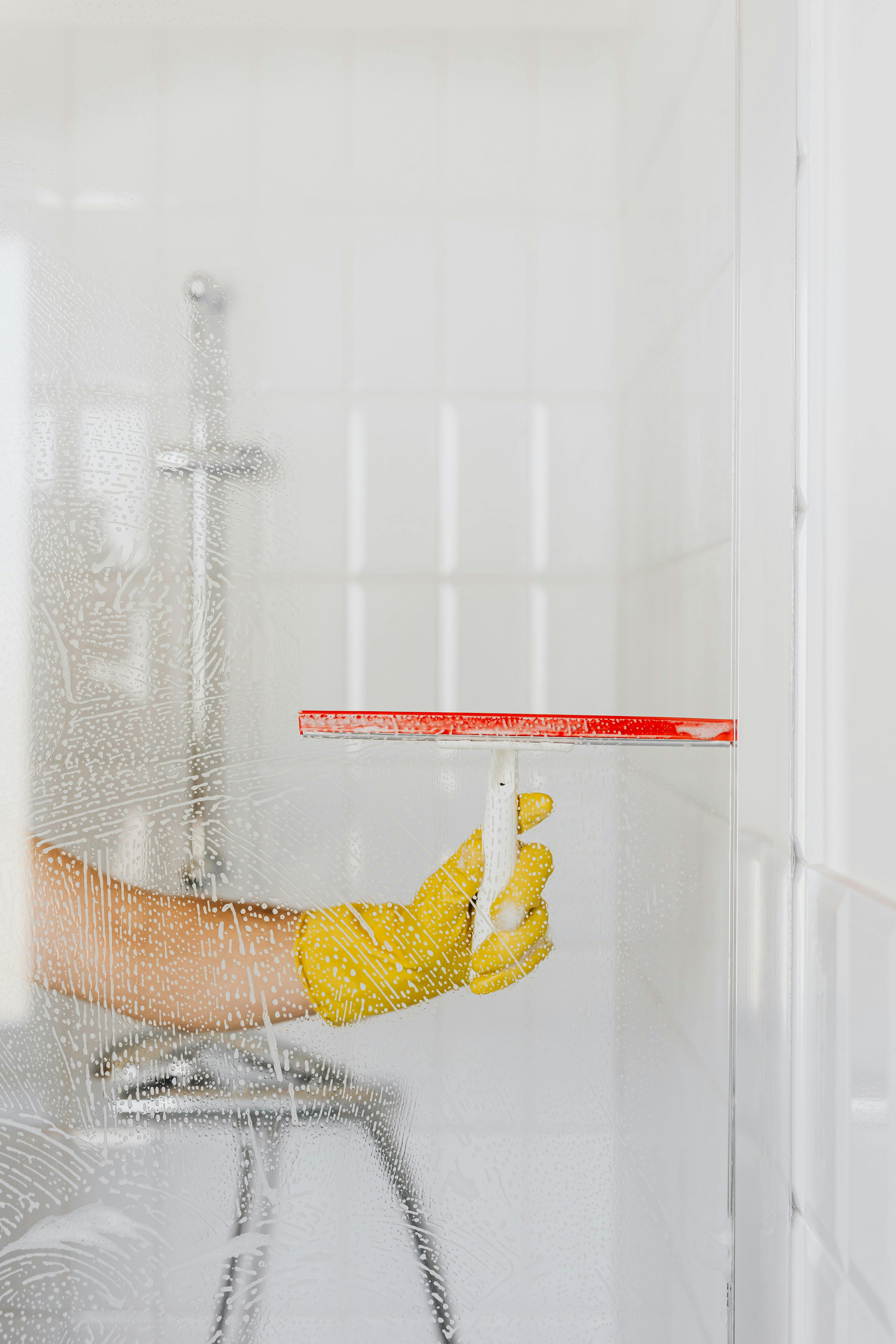
Glass and mirror cleaners must deliver streak-free results efficiently. Ammonia-based cleaners work effectively but produce strong fumes that can bother guests and staff. Ammonia-free alternatives using alcohol or vinegar perform comparably without offensive odors. Microfiber cloths paired with quality cleaners produce superior results compared to traditional paper towels, saving money while reducing waste.
Bathroom cleaners tackle soap scum, mineral deposits, and other challenging residues specific to wet environments. Acidic cleaners dissolve mineral buildup from hard water, while alkaline cleaners address soap scum and organic matter. Proper product selection based on specific soil types improves efficiency—using the wrong cleaner makes tasks unnecessarily difficult and time-consuming.
Disinfectants have received increased attention, particularly following health crises highlighting surface transmission of pathogens. EPA-registered disinfectants with appropriate contact times kill specified pathogens when used according to label directions. Understanding the difference between cleaning, sanitizing, and disinfecting helps staff use products appropriately. Not every surface requires disinfection—cleaning removes most contaminants effectively, while disinfection addresses high-touch surfaces or specific contamination concerns.
Carpet and upholstery cleaners address stains and general soil while preserving fabric integrity. Enzymatic cleaners break down organic stains like food, blood, or urine at the molecular level, often more effectively than traditional cleaners. Spot treatment products should be readily available to housekeeping staff for immediate stain response, as fresh stains respond better to treatment than set-in discoloration.
Floor care products vary based on flooring type. Hardwood requires gentle cleaners that won't damage finishes, while tile can tolerate stronger formulations. Improper products can permanently damage floors, making correct selection crucial. Stripping and refinishing products for vinyl and linoleum maintain appearance and protect against wear, though these intensive processes typically occur during low-occupancy periods.
Green cleaning products align with sustainability goals while addressing guest concerns about chemical exposure. Third-party certifications like Green Seal, EcoLogo, or EPA Safer Choice identify products meeting stringent environmental and health standards. Performance has improved dramatically—modern green cleaners rival traditional products while reducing environmental impact and health risks.
Storage and handling requirements protect both products and people. Chemicals require proper storage in well-ventilated areas, away from food and guest areas. Clear labeling prevents confusion and accidental misuse. Material Safety Data Sheets must be accessible to all staff using chemicals, providing critical safety information and emergency response procedures.
Training ensures staff understand proper product usage, dilution ratios, contact times, and safety precautions. Incorrect dilution wastes product and money while potentially reducing effectiveness or creating safety hazards. Regular refresher training reinforces best practices and introduces new products or procedures.
Need Quality Hotel Supplies?
Contact us for expert advice and premium hospitality products
Get in Touch