Effective Hotel Bathroom Design: Layout and Functionality
Bathroom design significantly influences guest satisfaction yet often receives inadequate attention during planning and renovation. Effective layouts balance space efficiency with comfort, incorporate durable materials suited for wet environments, and facilitate housekeeping maintenance. Understanding key principles creates bathrooms that guests appreciate and operations teams can maintain effectively.
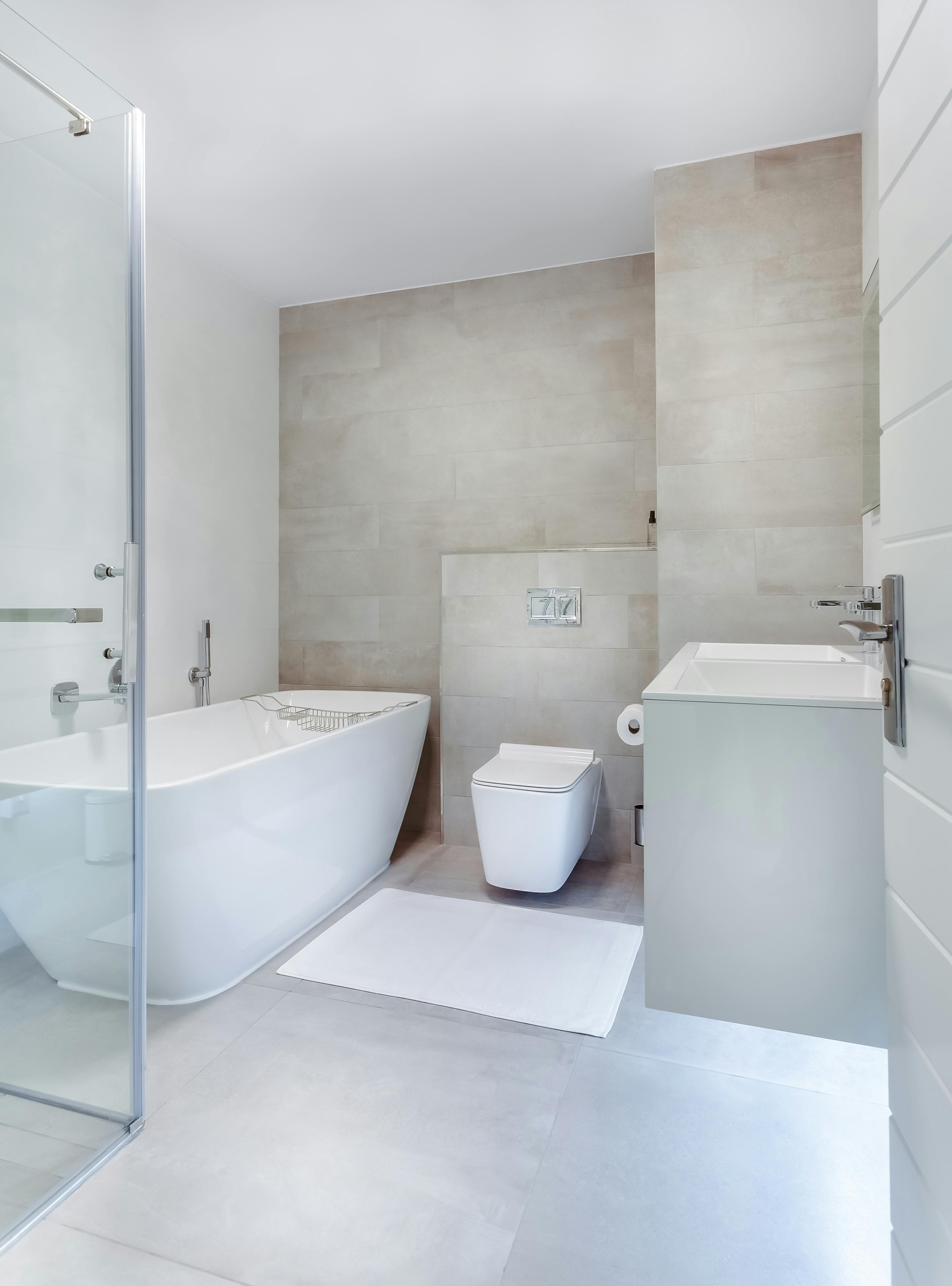
Adequate space for movement prevents the cramped feeling that negatively impacts guest experience. Minimum clearances around toilets, showers, and vanities ensure comfortable use for guests of various sizes. ADA guidelines provide excellent baselines even for non-accessible rooms, as the space requirements benefit all guests. Door swing directions must not block fixtures or create navigation difficulties.
Vanity design affects both aesthetics and functionality. Counter space for personal items like cosmetics, contact lens cases, and grooming products makes bathrooms genuinely useful rather than purely decorative. Adequate lighting at vanities helps guests with grooming tasks—avoid lighting only from above which creates shadows across faces. Electrical outlets near vanities accommodate hair styling tools and electric toothbrushes.
Shower design has evolved beyond basic function to experiential amenity. Adequate size allows comfortable movement and prevents the claustrophobic feeling of cramped stalls. Glass enclosures create open, spa-like atmosphics while containing water spray. Rainfall showerheads provide luxurious experiences though high-pressure handheld wands better serve functional needs like rinsing shampoo from hair.
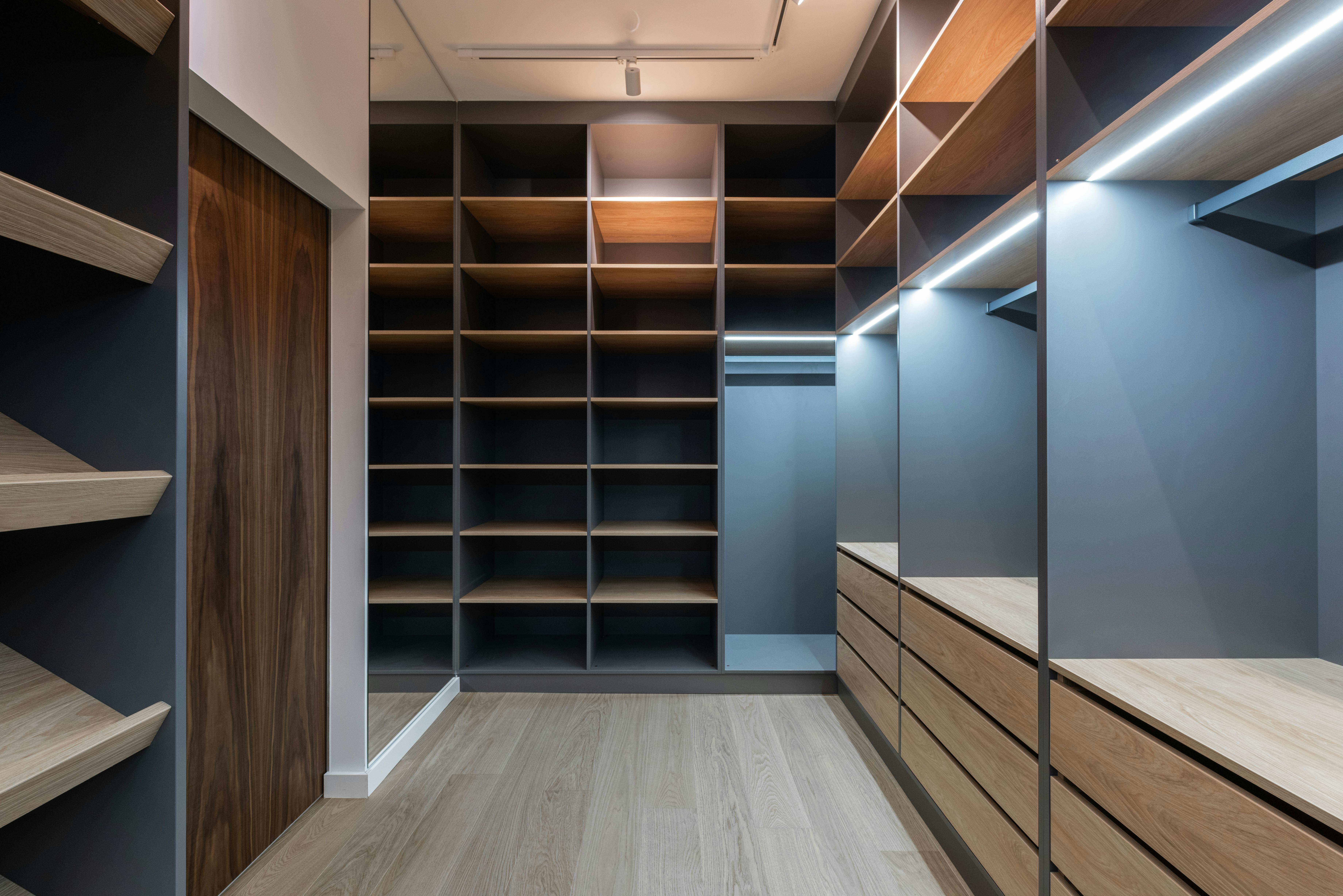
Storage solutions help guests organize toiletries and personal items. Built-in shower shelves hold shampoo and soap within reach. Medicine cabinets or vanity drawers store items guests prefer out of sight. Towel bars and hooks positioned for easy reaching keep towels convenient without creating clutter. Consider which storage guests actually use versus what sits empty.
Ventilation prevents moisture buildup leading to mold and unpleasant odors. Properly sized exhaust fans vented to building exteriors remove humid air, protecting finishes while maintaining air quality. Fans should operate quietly to avoid disturbing guests, with some properties installing timers ensuring adequate ventilation after showers even if guests don't manually run fans.
Material selection for wet environments must prioritize water resistance and durability over pure aesthetics. Porcelain tile withstands moisture excellently while providing design flexibility. Quartz countertops resist staining and water damage better than natural stone requiring periodic sealing. Moisture-resistant paint or tile on walls prevents damage from steam and splashes.
Lighting layers create functional yet attractive environments. General overhead lighting provides adequate brightness for safe navigation and cleaning. Vanity lighting at face height illuminates grooming tasks properly. Night lights prevent middle-of-night navigation accidents without harsh brightness disturbing sleep. All lighting should use damp-rated fixtures appropriate for bathroom moisture levels.
Privacy considerations matter more than many designers recognize. Toilet areas separated by partial walls or doors, even in standard rooms, enhance comfort for guests sharing accommodations. Frosted or obscured glass balances natural light admission with privacy. Sound dampening in walls between bathrooms and sleeping areas prevents disturbing noises.
Maintenance accessibility allows housekeeping and maintenance staff to work efficiently. Shut-off valves for fixtures must be accessible without tile removal. Removable drain covers facilitate hair removal preventing clogs. Quality fixtures designed for commercial use withstand intensive cleaning and constant operation better than residential-grade alternatives.
Need Quality Hotel Supplies?
Contact us for expert advice and premium hospitality products
Get in Touch